







Search Results for: coffee grounds and water separation
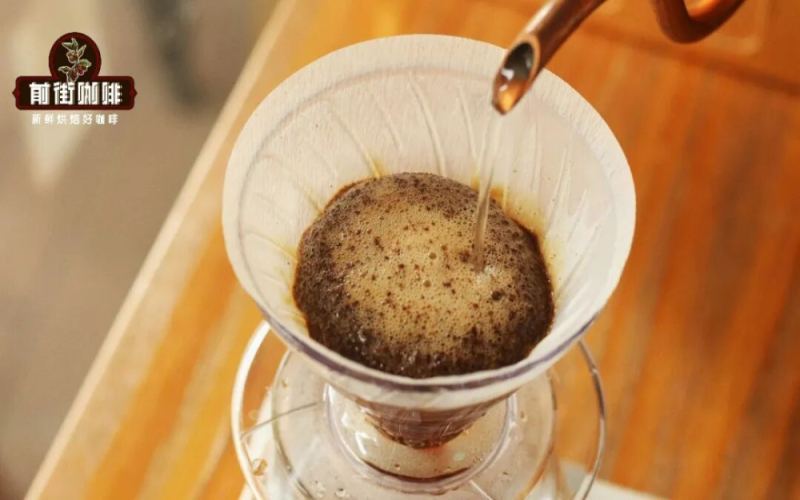
Reasons and Solutions for Water Separation from Coffee Grounds in Pour-Over Coffee: A Comprehensive Analysis from Bean Density, Grind Fines, and Freshness to Pouring Technique
After the bloom, an ideal pour-over should show the water flow churning the coffee grounds, a golden foam layer on top, and an orderly wall of grounds forming along the edge of the dripper. Yet many coffee enthusiasts notice that in the middle and later stages of brewing, all the coffee grounds sink to the bottom while the hot water floats on top, and once dripping finishes, only a flat bed of grounds remains—this is what is often called "ground-water separation." This article focuses on this phenomenon, analyzing one by one the four causes: high-density light-roast beans, over-fine grinding with too many ultra-fine particles, stale coffee beans, and improper pouring technique. Drawing on several high-altitude beans from the Front Street Coffee brand, it offers specific ways to diagnose the problem and ideas for adjustment, helping coffee enthusiasts understand the root of an imbalanced extraction rhythm and find actionable solutions for improvement. [more…]

A Complete Analysis of Coffee Processing Methods Worldwide: From Dry and Wet Processing to Grading and Classification
From fruit to export, coffee beans must undergo a series of meticulous processing steps, and these processes directly determine the final quality and price of the coffee. This article systematically reviews the coffee bean processing methods of major producing regions around the world: from the dry method commonly used in Brazil and Ethiopia, to the wet method widely adopted in Kenya, Colombia, and elsewhere, and then to the subsequent stages of hulling, polishing, grading, and sorting. The article introduces in detail the technical key points, equipment principles, and quality control essentials of each step, and analyzes the impact of different processing methods on coffee flavor and commercial value. It is suitable for enthusiasts who wish to gain a deeper understanding of green coffee bean processing knowledge. Front Street Coffee always pays attention to the influence of origin processes on flavor, providing coffee enthusiasts with professional bean selection references. [more…]
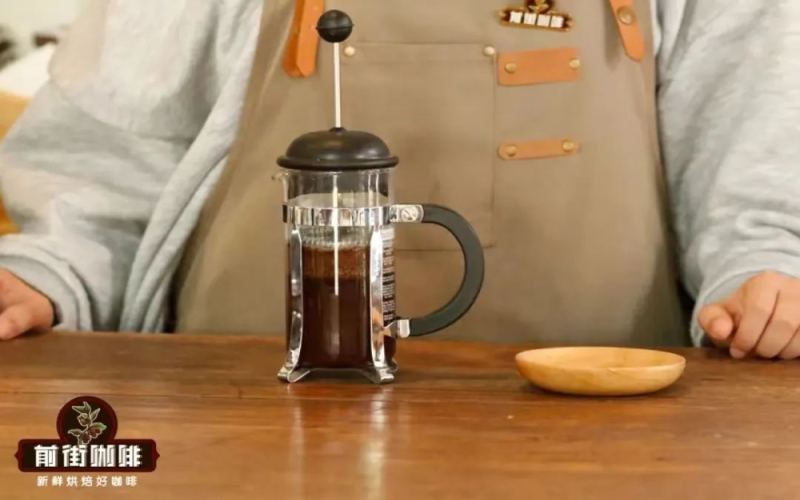
How Does Brewing Yirgacheffe in a French Press Taste? Front Street Coffee Beans Hands-On Demonstration and Analysis of Six Types of Home Coffee Brewing Methods
To easily make a cup of rich, full-bodied coffee at home, the French press is an essential entry-level tool. By fully immersing the coffee and separating it with a metal filter, it retains almost all the extractable flavor compounds, resulting in a fuller mouthfeel than paper-filter pour-over. This article first systematically outlines the principles and characteristics of six common brewing devices: the drip brewer, American electric coffee maker, French press, siphon, moka pot, and espresso machine. Then, using a light-to-medium roasted Yirgacheffe from a high-altitude Ethiopian region as an example, it provides specific French press parameters for Front Street Coffee beans, along with water-pouring and stirring techniques, and describes the floral notes, citrus acidity, creamy sucrose sweetness, and black tea finish presented in the final cup. [more…]

An In-Depth Analysis of the Causes of Coffee Latte Art Blurring: The Key Effects of Milk Foam Separation, Soy Milk Characteristics, and Water Content in Steaming
If your latte art patterns aren't coming out clear and beautiful, the problem isn't necessarily your technique—the characteristics of your ingredients and the state of your milk foam play just as decisive a role. Many coffee enthusiasts have encountered the situation where, when making a latte, flat white, or cappuccino, the milk foam bleeds and spreads upon contact with the crema, and this becomes especially obvious in the latter half of drawing a pattern. Front Street Coffee will analyze the causes of this phenomenon one by one from three angles—the separation of milk foam and milk, the inherent characteristics of the coffee beans and the milk, and the amount of water introduced by the steam during frothing—and offer corresponding ideas for improvement to help you create latte art with crisp lines and clearly defined layers. [more…]
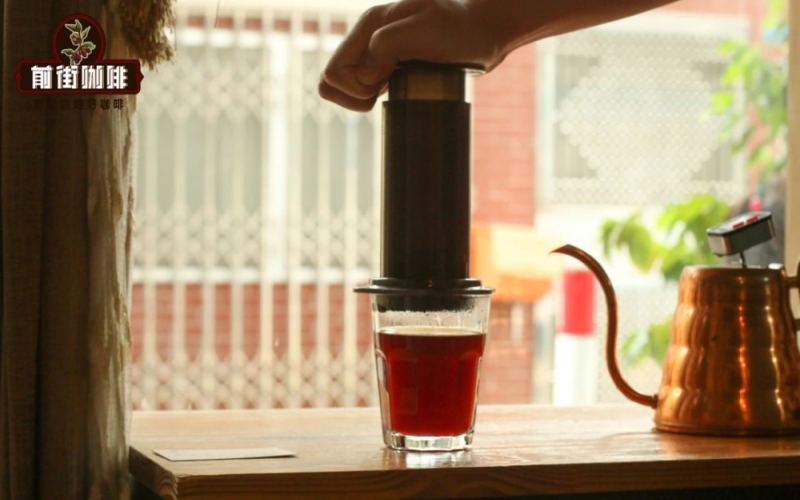
AeroPress vs. French Press Brewing Comparison: An Analysis of Extraction Principles, Grind Parameters, and Coffee Flavor Differences
The AeroPress and the French press are two coffee brewing devices that are both easy to operate yet vastly different in style. The AeroPress combines immersion, paper filtration, and pressure extraction to quickly produce a highly concentrated, clean, and full-bodied coffee; the French press, on the other hand, uses full immersion and a metal filter to separate the grounds, has a low barrier to entry, and can present the complete flavor of the coffee beans. This article will compare the two from dimensions such as extraction principles, grind size requirements, and water temperature recommendations, and using Ethiopian Gotingding coffee beans as a sample, will separately record the brewing parameters, operating steps, and flavor performance of Front Street Coffee's AeroPress and French press, helping coffee enthusiasts choose the appropriate device and brewing method according to their own needs. [more…]
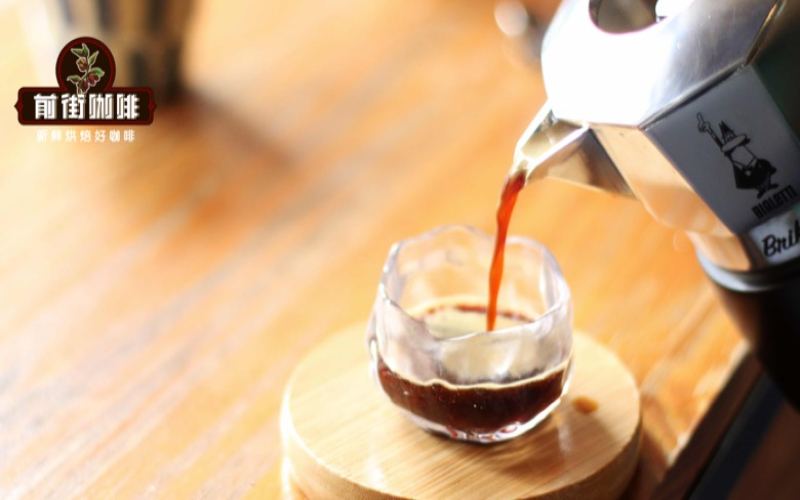
How to pair a moka pot for making lattes and cappuccinos? Coffee bean recommendations: how to choose for black coffee, milk coffee, and iced drinks separately
Black coffee and milk coffee do not have the same requirements for beans. Black coffee needs aroma and sweetness that can stand on their own, while milk coffee needs the coffee liquid to have enough concentration and body, so that it still retains a clear flavor after milk is added. Deciding first whether milk will be added to the cup, and then choosing the style of beans, will make it easier to pick a suitable one. [more…]
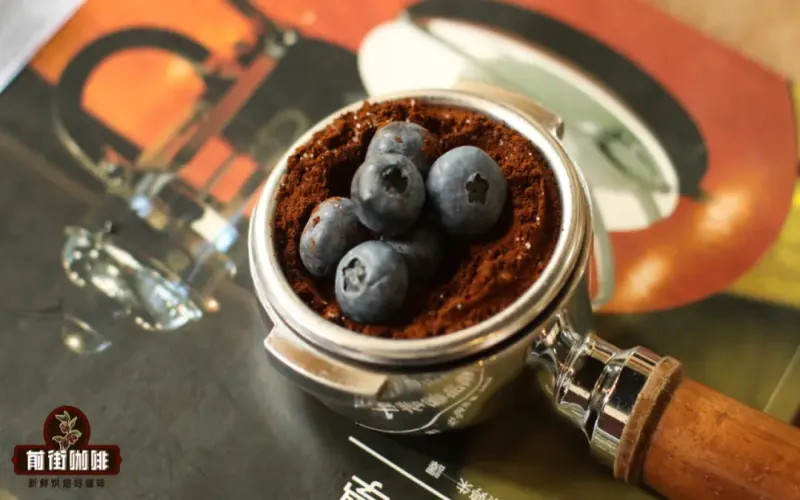
Is It Feasible to Mix Granulated Sugar or Osmanthus into Espresso Extraction? Front Street's Hands-On Test Reveals the Impact of Channeling
Some coffee enthusiasts like to try mixing ingredients such as osmanthus, granulated sugar, or butter into the coffee puck before extracting espresso, hoping to achieve a more naturally integrated flavor. But is this approach really feasible? Front Street conducted a comparative experiment, mixing granulated sugar into the coffee grounds and adding it directly into the cup, to observe the differences in flavor and extraction parameters of the espresso produced by the two methods. The results showed that sugar mixed into the puck caused the extraction time to shorten significantly, with a sharp and separated taste, while the method of adding it directly into the cup produced a surprisingly well-integrated effect. This article will analyze the experimental process and the reasons behind it in detail, helping readers understand why mixed extraction often backfires. [more…]
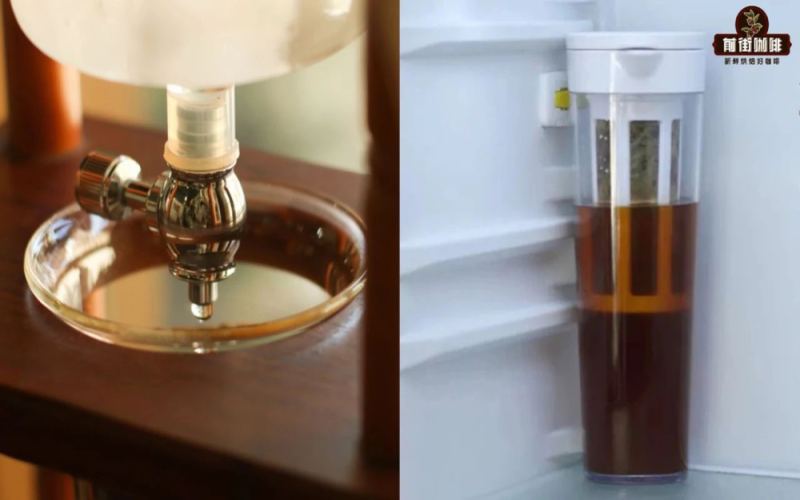
Cold brew or ice drip coffee—which one suits your taste better? A hands-on test of the flavor differences and brewing methods of the two, using Sidamo natural-process Huakui beans
Cold brew and ice drip are both low-temperature extraction coffees, yet coffee enthusiasts often struggle with choosing between them. When faced with this question, Front Street Coffee baristas usually answer first that "both taste great," because the two have completely different flavor trajectories: one is rich and smooth, the other clean and refreshing. This article starts with the principles of low-temperature extraction, explaining the differences in how high-temperature and low-temperature extraction release flavor compounds, then separately introduces the extraction characteristics of cold brew coffee and ice drip coffee. Using the Ethiopian natural Hualei coffee beans recently launched by FrontStreet Coffee as an example, it provides two sets of detailed home brewing steps and parameter recommendations. Finally, it includes specific flavor descriptions of cold brew and ice drip made from the same beans in terms of floral aroma, berry acidity, fermentation notes, and aftertaste, making it easy for readers to choose according to their preferred flavor direction. [more…]
French Press Brewing Guide: Suitable Coffee Grind Size and Detailed Five-Step Operation
The French press, as an easy-to-use immersion brewing device, is very common in European households. It relies on a metal filter to separate the coffee grounds from the liquid, allowing the flavor compounds of the coffee beans to be released more fully, and therefore it has certain requirements for grind size and bean selection. This article will explain, one by one, the grind coarseness suitable for the French press, the recommended flavor directions for beans, and the specific water temperature, coffee-to-water ratio, and five-step operation process. At the same time, it will draw on several medium-to-dark roast beans from Front Street Coffee to help coffee lovers easily make a rich and full-bodied pot-brewed coffee. [more…]
A Complete Analysis of the Flavor Differences Between Washed and Natural Coffee: A Comparative Tasting Guide for the Same Yirgacheffe
Sun-dried and washed are the two most common methods of green coffee processing, but do you truly understand their specific effects on flavor? Front Street Coffee has previously introduced the principles of these two processing methods separately, and this article goes a step further by using the same Yirgacheffe as a sample to make an intuitive comparison across dimensions such as dry aroma, mouthfeel, cupping, and pour-over parameters. Sun-dried processing tends to bring a fuller sweetness and tropical fruit notes, while washed processing is known for its clean, bright acidity and floral aroma. The article also lists in detail specific pour-over recommendations for both processing methods of Yirgacheffe, helping you reproduce the ideal flavor at home. Whether you are a beginner pour-over enthusiast or a seasoned player choosing beans, this comparison can provide you with a clear reference. [more…]
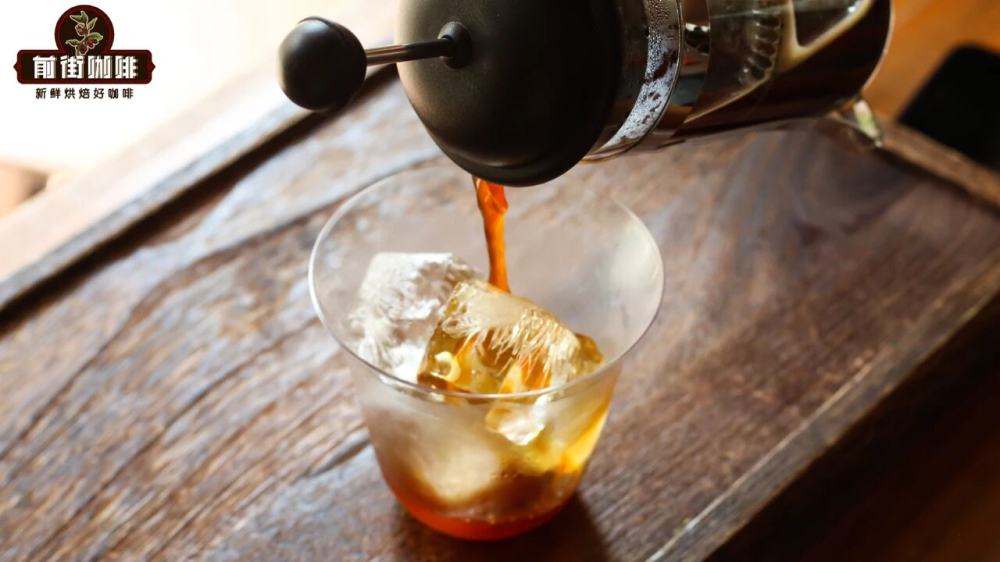
French Press Usage and Origin History | What Is the Extraction Principle of French Press Coffee? How Fine Should French Press Coffee Beans Be Ground? How to Use a French Press to Brew Sun-Dried Geisha Coffee Beans?
The history of the French press can be traced back many years, but there is much controversy over who exactly invented it. The first patent in history for a coffee brewing device similar to the modern French press was granted to an Italian from Milan named Attilio Callimani. Since [more…]

A Comprehensive Comparison of the French Press and the AeroPress: Extraction Principles, Brewing Performance, and Their Respective Advantages
The French press and the AeroPress are both easy-to-use, beginner-friendly coffee brewing devices. Both have the word "press" in their names, yet their extraction logic is completely different. The French press relies on a long steep and a metal mesh filter to separate the coffee grounds, giving a balanced, full-bodied cup; the AeroPress combines immersion, paper filtration, and air pressure for a richer layering of flavors. This article compares the two step by step—from their construction and extraction principles to how they brew the same Front Street Golden Mandheling—to help you decide which one better suits your daily brewing habits. [more…]

Smart Cup vs. French Press Brewing Differences Explained: A Full Comparison of Taste, Extraction Principles, and Suitable Scenarios
In the realm of immersion extraction, the French press and the Clever Dripper are two devices often compared to each other. They both use immersion, yet the final coffee flavor heads in completely different directions. Starting from Front Street Coffee's comparative experiment, this article first introduces the structure and operating principles of the two devices separately, then distinguishes them across dimensions such as material, shape, and pouring method, and finally takes [Front Street Sun-Dried Red Cherry] as an example, brewing separately under the same water temperature, grind size, and coffee-to-water ratio to explore where the French press's rich smoothness and the Clever Dripper's clean clarity actually come from, and what role oils and filter paper play in this, helping coffee lovers make a choice according to their taste preferences. [more…]

Analyzing the Differences Between Ice Drip and Cold Brew Coffee: Brewing Methods, Flavor Profiles, and Whether They Qualify as True Black Coffee
Ice drip coffee and cold brew coffee are two common methods of making cold coffee, and many coffee enthusiasts often discuss the flavor differences between them when tasting. Front Street Coffee conducted an experiment using the same sun-dried Huakui coffee beans, preparing them separately with the ice drip and cold brew methods, and carried out a comprehensive comparison from production time, equipment, and coffee-to-water ratio to the final taste. Ice drip coffee is clear and bright, with fermented notes and a vinous charm; cold brew coffee, on the other hand, has a full body with obvious fruity sweetness. This article will analyze in detail the production differences and flavor performance of the two, and explore whether ice drip coffee belongs to authentic black coffee. [more…]
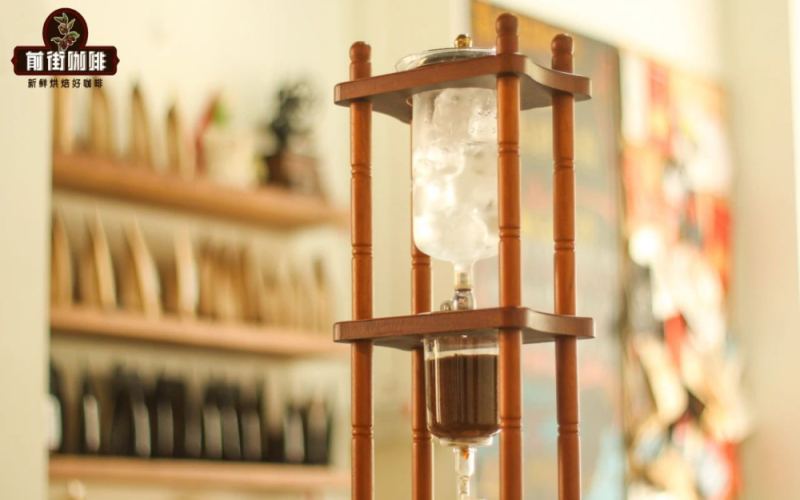
What is the difference between ice drip coffee and cold brew coffee? From brewing principles to flavor and mouthfeel, explained clearly in one go.
Both ice drip coffee and cold brew use low-temperature extraction, but one is drip-style while the other is immersion-style, and this subtle difference in technique can make the same beans present completely different flavor profiles. From the perspective of Front Street, this article sorts out the historical origins, brewing principles, and tasting differences of the two, and uses lightly roasted Ethiopian Santavini beans to make cold brew and ice drip separately for comparison, helping you understand their respective characteristics and find the cup that better suits your taste. [more…]
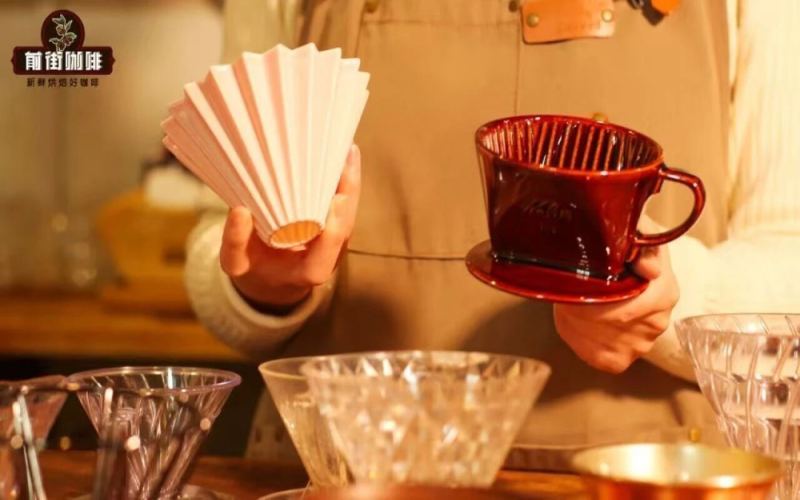
Comparative Experiment: V60 vs. YASUKIYO Wooden Dripper — Extraction Differences and Pairing Suggestions for the Same Yunnan Coffee Beans
Different drippers, due to differences in shape, hole size, and groove design, directly affect water flow rate and degassing, causing the same coffee beans to present entirely different flavor expressions. For this test, Front Street chose the V60 and the YASUKIYO wooden dripper, using the same brewing method and parameters to conduct a comparative test on Front Street 2013 Yunnan Small-Bean Typica, keeping water temperature, grind size, and pouring method as consistent as possible, to observe the differences between the two drippers in aroma, mouthfeel, and extraction efficiency. The article will separately analyze the structural characteristics of the two drippers and give recommendations for Front Street coffee beans that pair well with each, helping coffee lovers choose equipment more purposefully in their daily brewing. [more…]
What Is Milk-Brewed Coffee? The Complete Method and Recipe Ratios for Making Cold Brew with Milk Instead of Water
Replace the water in cold brew coffee with fresh milk, steep the coffee grounds at low temperature for a long time, and after filtering you get a silky, rich milk-brewed coffee. This method has recently drawn attention in coffee circles and is being called a new choice for fans of iced milk cold brew. This article will start with the principles of milk brewing, explaining why low-temperature extraction reduces bitterness and off-flavors, and how milk gives coffee a smooth, chocolate-milk-like texture. It then breaks down the practical points one by one: what roast level and flavor type to choose for the coffee beans, the actual differences in performance between fresh milk and oat milk, whether the grind should be coarser or finer than regular cold brew, what mouthfeel the 1:8 to 1:12 coffee-to-milk ratios each produce, the trade-offs between direct steeping and bag-steeping in terms of time and convenience, and whether it can be stored overnight once made. The article also retains Front Street's demonstration and specific parameters using two beans: Brazil Queen's Estate and Colombia Flower Moon Night. [more…]
Understanding the Pour-Over Coffee Craze: Extraction Principles, Flavor Appeal, and a Complete Beginner's Brewing Guide
Walking into more and more coffee shops, besides lattes and cappuccinos, the menu often has an extra column—pour-over coffee. What exactly are those variously shaped pots, cups, and filters on the bar for? And how should you choose among Kenya, Guatemala, and Ethiopia Yirgacheffe? This article starts with the difference between instant coffee and pour-over, explains why coffee needs extraction and filtration, and then explains the essence of pour-over coffee and its equipment setup; it then analyzes the reasons pour-over is increasingly popular—clean flavor, balance, and rich layers, along with the ever-changing character you can experience through different origins and processing methods; finally, it offers an entry-level approach to pour-over that anyone can pick up, while also keeping the drip bag as the simplest option. [more…]
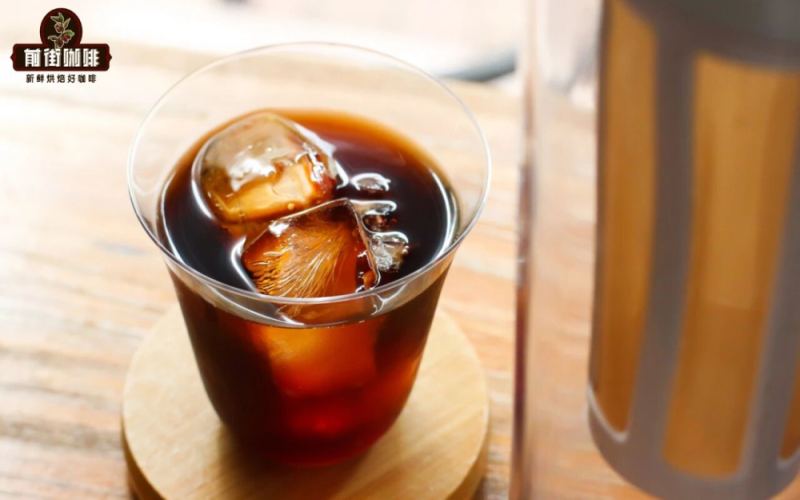
Why are the flavor differences between pour-over and cold brew so striking? Will the acidity of Kenyan beans stand out in cold brew?
Pour-over and cold brew are two common ways to enjoy single-origin coffee in daily life, but the same coffee beans extracted using different methods can present wildly different flavor profiles. This article takes Front Street Coffee's Kenya Little Tomato as an example, preparing both pour-over and cold brew for a comparative tasting. It analyzes the root causes of the differences from three dimensions—extraction method, coffee-to-water ratio, and water temperature—and explains why the distinctive fermented aroma and smooth mouthfeel of cold brew cannot be replaced by pour-over. It also recommends floral and fruity beans suitable for both methods, such as Front Street Coffee Strawberry Candy, Front Street Coffee Mozart, and Front Street Coffee Sidra, helping enthusiasts understand the two extraction logics more clearly. [more…]
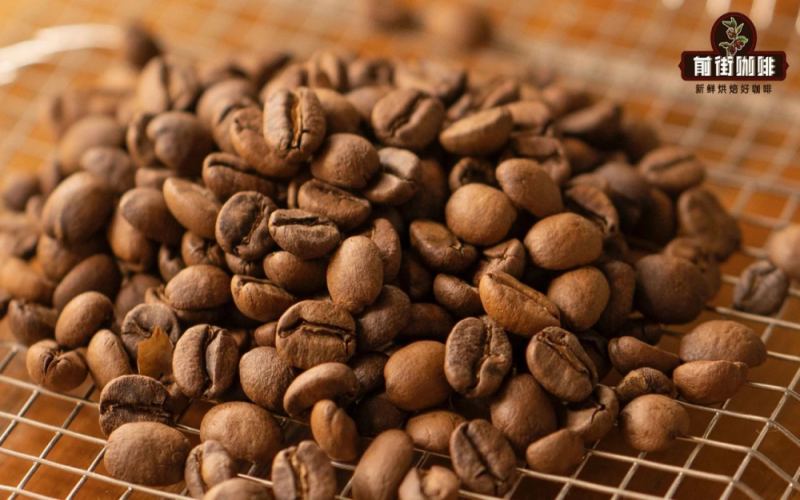
Espresso Blend Recommendations | What Are the Benefits of Blended Coffee? How to Determine the Espresso Brewing Ratio of Coffee Grounds to Water?
Espresso has a thicker texture and richer crema than drip coffee, and making high-quality espresso is inseparable from good espresso beans. Generally speaking, espresso beans are made by blending coffee from several origins to achieve a balanced flavor. Front Street Coffee (FrontStr [more…]